
When choosing a submersible pump for floodwater drainage, the primary factor to consider is the water condition. If the floodwater is relatively clean and does not contain debris exceeding the pump’s specified solids-handling capacity, a clean water submersible pump may be suitable for drainage. However, if the water contains sediment, mud, or solid particles, a submersible wastewater pump specifically designed to handle those materials should be considered. If the water contains debris that may cause clogging, a submersible cutter pump may be an appropriate option. However, it is essential to check the type and maximum size of solids or debris each pump model can handle before use.
Choosing a submersible pump that is not suitable for the water conditions may cause clogging at the pump inlet or impeller, reduced pumping performance, or unnecessary strain on the pump. Therefore, in addition to assessing the water conditions, you should also consider the following factors: Flow rate, total head, discharge outlet size, and the maximum solids size the pump can handle should also be considered.
Floodwater containing minimal impurities, such as rainwater, standing water, or water from areas with little debris or sediment, is suitable for clean water submersible pumps or general-purpose drainage pumps.
Example Pump Categories: WALRUS PW Series / DAYUAN LA Series
Water that is turbid or contains higher levels of impurities or suspended solids than clean water requires a submersible wastewater pump specifically designed to handle such conditions.
Example Pump Categories: DAYUAN LS Series
If the water contains soil, mud, or sediment, choose a submersible wastewater pump designed to handle the specific type and size of solids present. It is important to check the pump’s solids passage size and construction materials, as sand and certain types of sediment can cause abrasive wear to the impeller and internal pump components.
Example Pump Categories: DAYUAN LQS Series
If the water contains fibrous materials or debris that may become tangled around the impeller, a submersible cutter pump designed to cut certain types of solids or debris may be considered. However, not all types of debris can be cut by a cutter pump. It is important to check the specific handling capabilities and operating limitations of each pump model before use.
Example Pump Categories: DAYUAN LCT Series
Each type of submersible pump is designed to handle different water conditions and solids sizes. Choosing a pump that is unsuitable for the actual site conditions may result in reduced pumping efficiency, clogging, or excessive strain on the pump.
Potential Problems Caused by Choosing a Submersible Pump That Is Unsuitable for the Water Conditions and Site Requirements
1. Clogging of the Pump Inlet or Impeller
If a clean water submersible pump is used to pump water containing sediment or debris, impurities may become trapped in the pump inlet or impeller, reducing the flow rate and preventing the pump from operating at its full capacity.
2. Slower Water Drainage Than Expected
When a pump is unsuitable for the water conditions or the size of solids present, its flow rate may decrease, resulting in longer drainage times, especially in areas affected by large volumes of floodwater.
3. Risk of Heat Buildup and Pump Damage
If solids or debris cause the impeller to become jammed, or if the pump operates outside the manufacturer’s recommended operating range, it may lead to heat buildup, activation of protective shutdown systems, or damage to internal pump components.
Therefore, it is important to select a pump that matches the water conditions, required flow rate (Flow), and total head (Head) of the actual pumping system.
4. More Frequent Inspections and Cleaning Required
If sediment or debris becomes trapped inside the pump, it may need to be stopped more frequently for inspection and cleaning, resulting in interruptions to the water drainage process.
In Short
Before choosing a submersible pump for floodwater drainage, it is important to assess the water conditions and the size of solids or debris present. The pump should not be selected based on wattage or flow rate alone.
In addition to assessing the water conditions, choosing the right submersible pump requires considering pump performance and actual site limitations to ensure effective water drainage without operating beyond the pump’s rated capacity.
Flow Rate (Water Flow)
Flow rate indicates the volume of water a pump can move within a given period of time. If rapid floodwater drainage is required, the pump's flow rate should be selected based on the volume of water that needs to be removed from the affected area.
Head (Pumping Head)
Consider the vertical height and horizontal distance from the pumping location to the discharge point, as well as friction losses in pipes and elbows. As the total head increases, the pump's flow rate generally decreases.
Key Factors to Consider: Flow Rate (L/min or m³/h), Vertical Lift, and Pipe Length
Maximum Solids Handling Size
If the water contains sediment or debris, check the maximum solids size the pump can handle to help reduce the risk of clogging at the pump inlet and impeller.
Discharge Outlet Size and Drainage Pipe Size
The drainage pipe size should be suitable for the pump’s discharge outlet and the required flow rate. Using pipes that are too small, excessively long, or have too many elbows can increase friction losses and reduce the pump’s flow rate.
Check: Maximum Solids Handling Size, Pipe Size, and Discharge Hose Length
When choosing a submersible pump for floodwater drainage, it is important to select a pump that is suitable for the water conditions and the types of impurities or debris present. The following examples provide general guidance for different drainage applications. Before use, always check each pump model’s flow rate, total head, and maximum solids handling size to ensure it is suitable for the actual operating conditions.
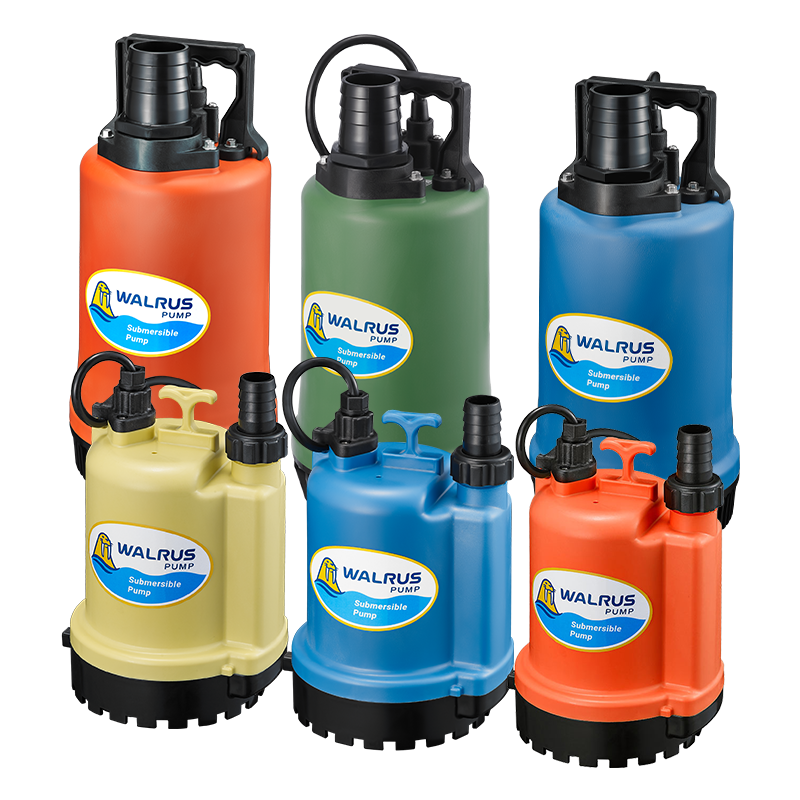
A submersible pump designed for clean water and general drainage applications, suitable for draining standing floodwater containing minimal impurities and sediment.
Suitable for: Relatively Clean Water / Rainwater / General Standing Water
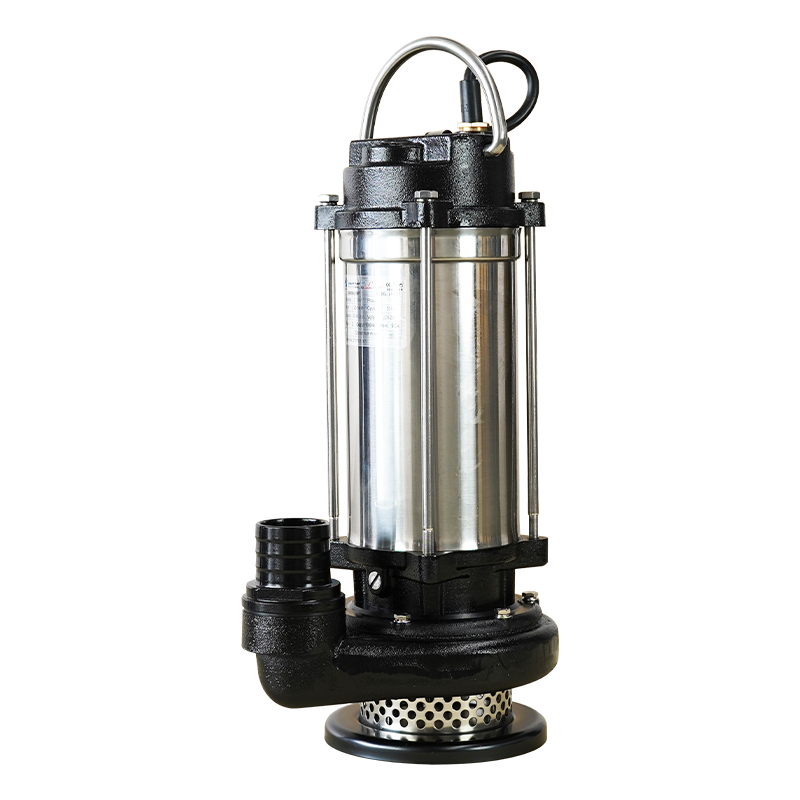
A submersible wastewater pump designed for pumping wastewater, suitable for turbid water or water containing more impurities than clean water. The appropriate pump model should be selected based on the actual water conditions.
Suitable for: Turbid Water / Wastewater / General Drainage Applications
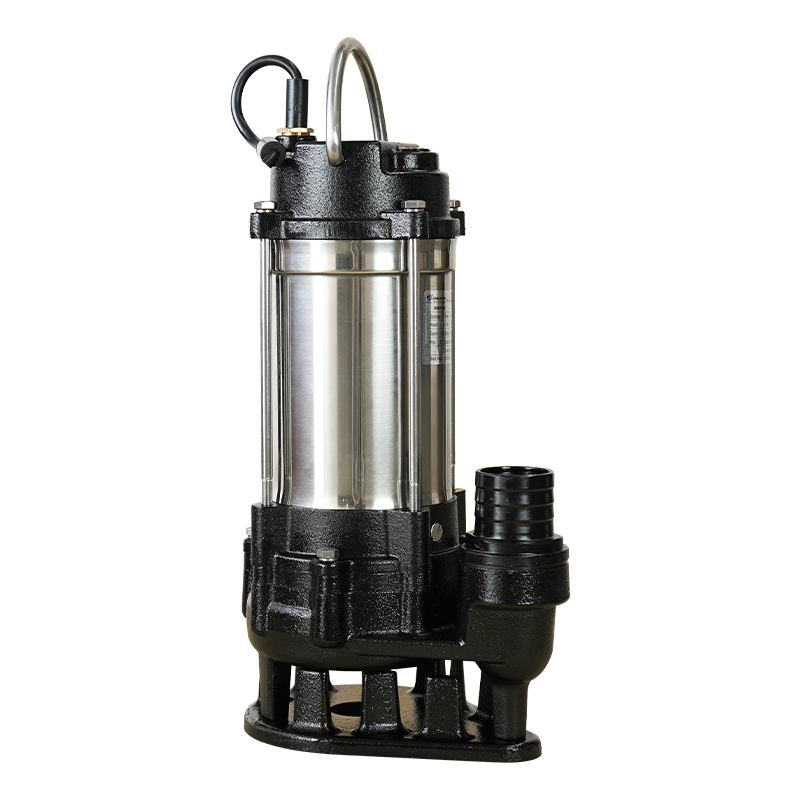
A submersible pump designed to handle water containing sediment or solids, suitable for drainage applications involving more challenging water conditions than typical clean water applications.
Suitable for: Water Containing Sediment / Muddy Water / Wastewater Containing Solids
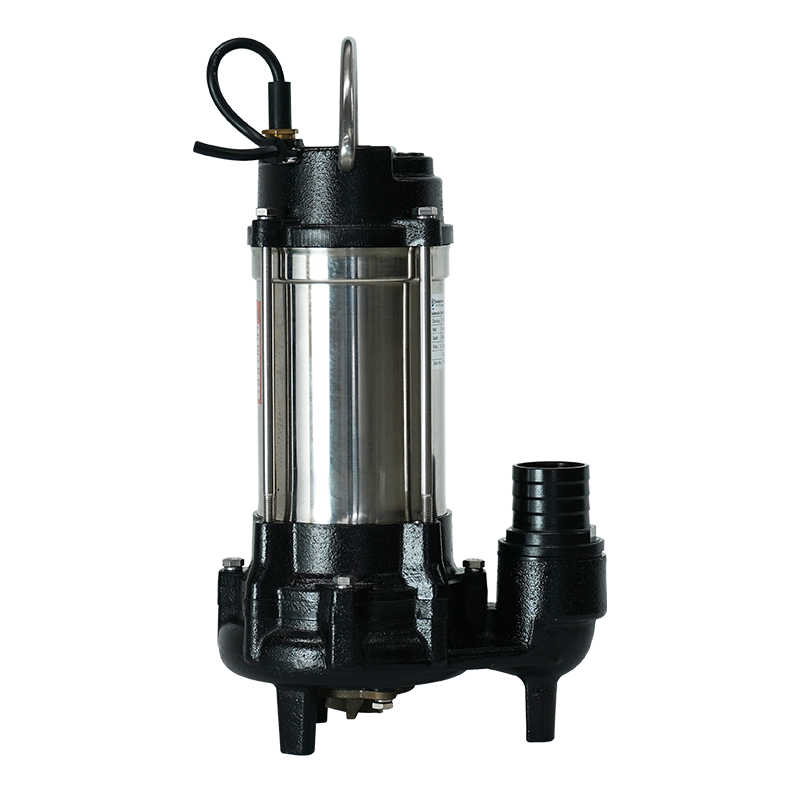
A submersible cutter pump is suitable for wastewater applications involving fibrous materials or certain types of debris that may become tangled around the impeller. Its cutting mechanism helps reduce the risk of clogging. However, it is important to check the type and maximum size of solids or debris that each pump model can handle before use.
Suitable forWastewater Containing Fibrous Materials / Debris Within the Cutter Impeller’s Handling Capacity
Different types of submersible pumps have different impeller designs, water passages, and solids-handling capabilities. Choosing a pump that matches the water conditions helps reduce the risk of clogging, maintain continuous water drainage, and ensure the pump operates effectively under actual site conditions.
Key Things to Remember Before Choosing a Submersible Pump
Relatively Clean Water → Clean Water Submersible Pump
Turbid Water or Wastewater → Submersible Wastewater Pump
Water Containing Sediment or Solids → Submersible Pump Designed to Handle Sediment and Solids
Water Containing Fibrous Materials or Debris That May Become Tangled Around the Impeller → Consider a Submersible Cutter Pump Based on the Type of Debris and the Pump’s Specified Handling Capacity.
When choosing a submersible pump for floodwater drainage, start by assessing the water conditions and the types of impurities or debris present. Then, consider the required flow rate, total head, discharge outlet size, pipe length, and maximum solids handling size to ensure the pump is suitable for the actual site conditions and drainage requirements.
If the water contains only minor impurities, a clean water submersible pump may be sufficient. However, if the water is turbid or contains sediment, solids, or debris, it is important to choose a submersible pump specifically designed to handle those conditions. This helps reduce the risk of clogging and ensures more consistent, uninterrupted water drainage.
Key Factors to Consider Before Choosing a Submersible Pump for Floodwater Drainage
Do not choose a submersible pump based solely on wattage or maximum flow rate. You should also consider: Water Conditions + Flow Rate + Total Head + Maximum Solids Handling Size + Piping System together.
When choosing a submersible pump for floodwater drainage, the primary factors to consider are the water conditions and the types of solids or debris present. If the standing water is relatively clean and does not contain solids exceeding the pump’s specified handling capacity, a clean water submersible pump may be suitable. However, if the water contains sediment, mud, or debris, consider a submersible wastewater pump designed to handle the specific type and size of impurities present. If the water contains fibrous materials or debris that may become tangled around the impeller, a submersible cutter pump may be considered, depending on each model’s specified handling capabilities and limitations. Before selecting a pump, it is also important to evaluate the required flow rate (Flow), total head (Head), and piping system to ensure the pump is suitable for the actual drainage conditions.
A clean water submersible pump can be used for floodwater drainage if the water contains impurities or solids within the pump’s specified handling capacity, such as rainwater or relatively clean standing water. However, if the water contains significant amounts of mud, sand, sediment, or debris, it may cause clogging at the pump inlet or impeller, as well as premature wear of internal pump components. Before use, always check the type and maximum size of solids or debris the pump can handle. If the water conditions exceed the pump’s capabilities, consider a submersible wastewater pump specifically designed for those conditions.
If floodwater contains mud or sediment, consider a submersible wastewater pump specifically designed to handle those conditions. Check the type and maximum size of solids the pump can handle (Solid Passage), along with the required flow rate (Flow) and total head (Head). If the water contains sand or abrasive particles, the suitability of the impeller and pump casing materials should also be evaluated, as standard submersible wastewater pumps are not necessarily suitable for pumping highly concentrated mud or sand.
A submersible cutter pump is not necessary for every application. The appropriate pump selection depends on the type, size, and characteristics of the solids or debris present. If the water contains fibrous materials or debris that may become tangled around the impeller, a submersible cutter pump designed to cut certain types of materials may be considered to help reduce the risk of clogging. However, cutter pumps are not designed to handle every type of debris or solid material. Therefore, it is important to check the manufacturer’s specified operating limitations, as well as the required flow rate (Flow) and total head (Head), to ensure the pump is suitable for the actual site conditions.
A submersible pump should not be selected based on wattage alone, as pumps with the same motor power may have different performance characteristics and solids-handling capabilities. When choosing a submersible pump, it is important to consider the required flow rate (Flow), total head (Head), discharge outlet size, pipe length, water conditions, and the type and size of solids or debris the pump can handle. The pump performance curve (Pump Curve) should also be reviewed to ensure the pump can deliver the required flow rate at the actual operating head and meet the site's drainage requirements. Additionally, the maximum flow rate (Qmax) and maximum head (Hmax) generally do not occur at the same operating point and should not be treated as simultaneous performance values.
Share details such as water conditions, the volume of water to be drained, vertical lift, discharge distance, pipe size, and the type of sediment or debris present with the TPE team. Our team can help you determine the required flow rate and total head and recommend the most suitable submersible pump type for your specific site conditions.