
Clean water submersible pumps and wastewater submersible pumps differ mainly in the types of water and solids or debris they are designed to handle. Clean water submersible pumps are suitable for pumping water that does not contain debris or solids exceeding the manufacturer's specified limits, such as rainwater or relatively clean standing water. In contrast, wastewater submersible pumps are designed to handle water containing sediment or certain types of impurities. The key differences lie in their impeller design and maximum solids passage size (Solid Passage). However, not all wastewater submersible pumps can handle every type of debris or solid material. Therefore, it is important to check the required flow rate (Flow), total head (Head), and actual site conditions before selecting a pump.
In this article, TPE explains the key differences between clean water submersible pumps and wastewater submersible pumps, including the types of water they can handle, impeller designs, maximum solids-handling sizes, and practical applications. We also introduce suitable pump ranges from WALRUS, DAYUAN, and GSD to help you choose the right submersible pump for domestic applications, drainage, agriculture, and wastewater treatment systems.
Clean water submersible pumps are suitable for pumping water that does not contain large debris or solid particles. In contrast, wastewater submersible pumps are designed to handle water containing sediment or other impurities, within the specified solids-handling capacity of each pump model.
Clean water submersible pumps are generally designed to provide efficient water pumping performance, while some wastewater submersible pumps feature non-clog or cutter-type impellers to handle solids and debris according to specific application requirements.
The maximum solids passage size (Solid Passage) should be checked in the pump’s technical specifications, as different wastewater submersible pump models have varying solids-handling capabilities. Not all models are designed to handle fabric scraps, large debris, or bulky waste materials.
Clean water submersible pumps are suitable for transferring water from tanks or clean water collection pits, while wastewater submersible pumps are designed for wastewater collection pits, drainage applications involving sediment, and wastewater treatment systems. The appropriate pump should be selected based on the type of water and actual operating conditions.
Each type of submersible pump is designed to handle different water conditions and solids sizes. Choosing a pump that is unsuitable for the actual site conditions may result in reduced pumping efficiency, clogging, or excessive strain on the pump.
Potential Problems Caused by Choosing a Submersible Pump That Is Unsuitable for the Water Conditions and Site Requirements
1. Clogging of the Impeller and Water Passages
Using a clean water submersible pump to pump water containing debris, sediment, or solids beyond the pump model’s specified handling capacity may cause impeller blockage or clogging of the water passages, resulting in abnormal pump operation.
2. Reduced Flow Rate and Insufficient Pumping Capacity
When debris or sediment accumulates inside the pump, or when the pump’s performance does not match the system’s requirements, the flow rate may decrease, resulting in slower water drainage than required.
3. Increased Risk of Wear and Damage
Sand, sediment, or solid particles that are unsuitable for the pump’s design may cause accelerated wear of the impeller and internal components. In some cases, these materials may also cause impeller blockage, motor overheating, or damage to pump components.
4. Increased Maintenance and Repair Costs
Selecting a pump that is unsuitable for the water conditions may result in more frequent shutdowns for cleaning, repairs, or spare parts replacement, leading to higher maintenance costs and disruptions to continuous operation.
Recommendations from TPE
Before choosing a submersible pump, it is important to consider the type of water, size and characteristics of solids or debris, required flow rate, and total head. The TPE team is ready to provide expert consultation and help you select the most suitable WALRUS, DAYUAN, or GSD pump based on your actual application requirements.
Before purchasing a submersible pump, it is important to assess the water conditions, types of impurities or debris present, and installation requirements. Clean water submersible pumps and wastewater submersible pumps have different operating limitations. Preparing complete and accurate information will help you select the right pump type and performance specifications for your actual site conditions.
1. Type of Water
Check whether the water is clean water, drainage water, wastewater, or water containing sediment to select the most suitable type of submersible pump.
2. Type and Size of Solids or Debris
Check whether the water contains sand, mud, debris, or fibrous materials, and compare their sizes with the pump’s maximum solids-handling capacity.
3. Liquid Properties
Consider the liquid temperature, pH level, and any chemicals present that may affect the compatibility and durability of the pump materials and seals.
1. Required Flow Rate (Flow)
Determine the required pumping flow rate, typically measured in liters per minute (L/min) or cubic meters per hour (m³/h).
2. Total Dynamic Head (TDH)
Consider the elevation difference, required pressure, and friction losses in the piping system to determine the appropriate pump performance specifications.
3. Installation Conditions and Electrical Requirements
Check the pit depth, water level, pipe size, electrical supply (220V or 380V), and whether the pump will operate continuously or intermittently.
Different types of submersible pumps are designed to handle varying water conditions and types of impurities or debris. The following examples help compare the applications of clean water submersible pumps, drainage pumps, wastewater pumps for water containing sediment, and wastewater pumps designed to handle debris. Before selecting a pump, it is important to check each model’s flow rate, total head, and maximum solids-handling capacity to ensure it is suitable for the intended application.
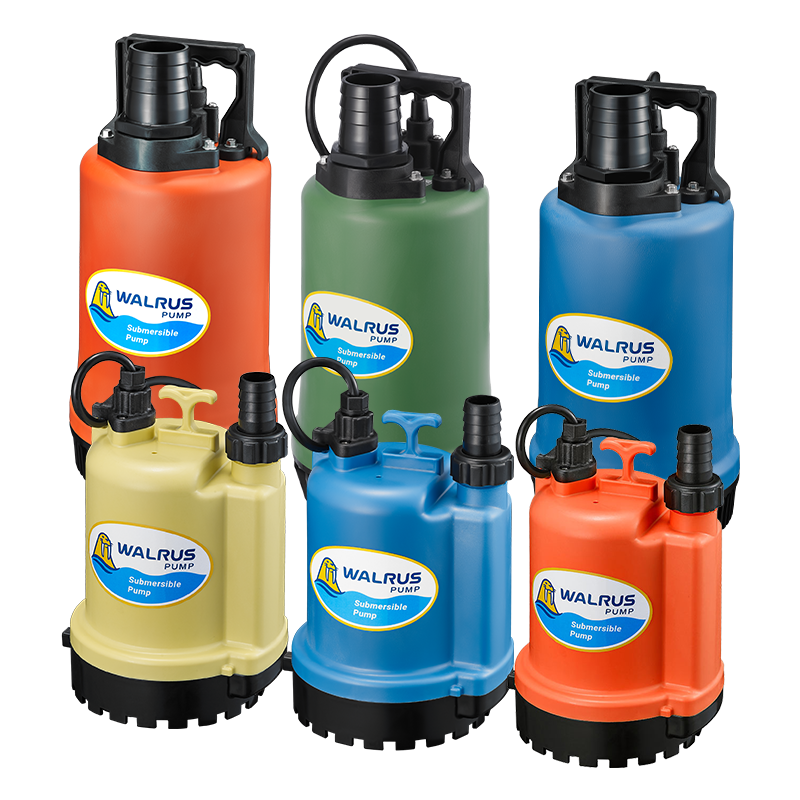
Submersible pumps designed for clean water pumping and general drainage applications are available in various models to suit different operating requirements. The solids-handling limitations of each model should be checked before selecting a pump.
Suitable for: Clean Water / Standing Water Without Large Debris
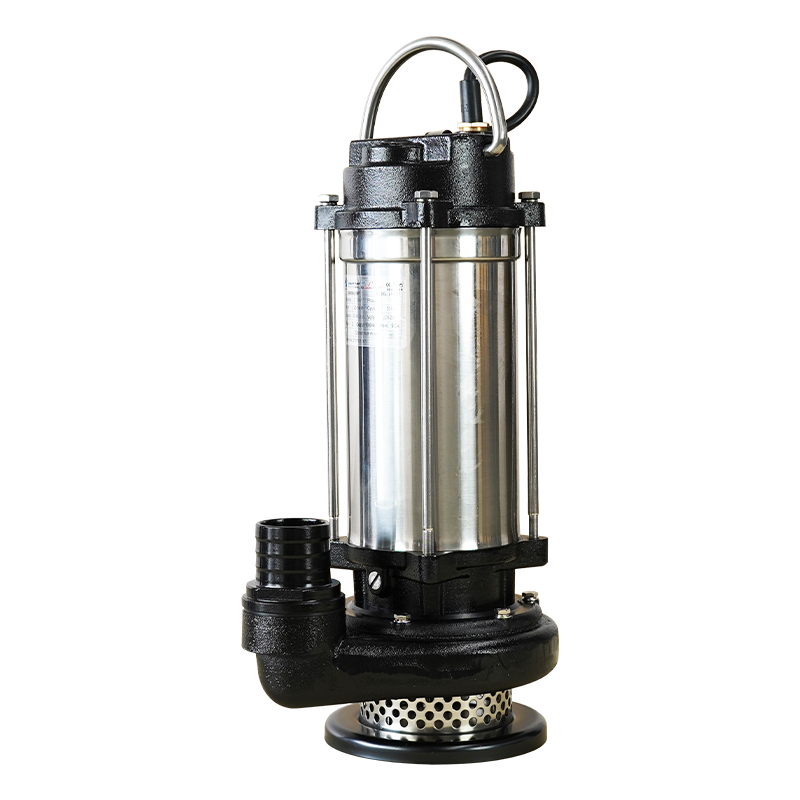
Submersible pumps designed for drainage water and wastewater applications are suitable for draining water containing impurities or debris, provided that the type and size of solids are within each pump model’s specified handling capacity.
Suitable for: Drainage Water / Turbid Water / General Drainage Applications
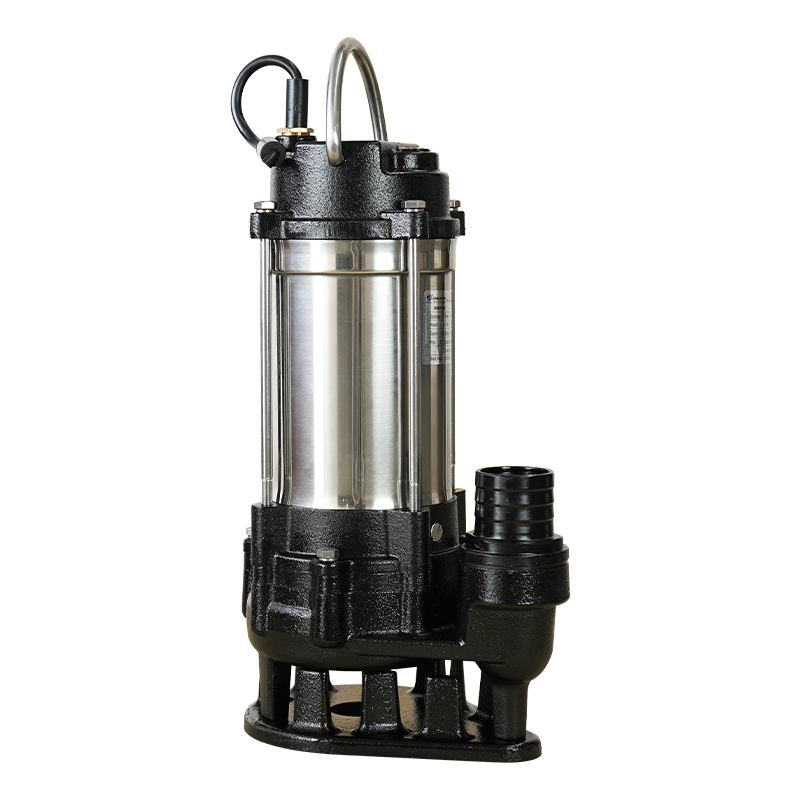
Submersible wastewater pumps designed to handle water containing sediment or solids, suitable for drainage applications involving higher levels of impurities than general clean water pumping applications.
Suitable for: Wastewater Containing Sediment / Wastewater Containing Solids Within the Pump’s Specified Handling Capacity
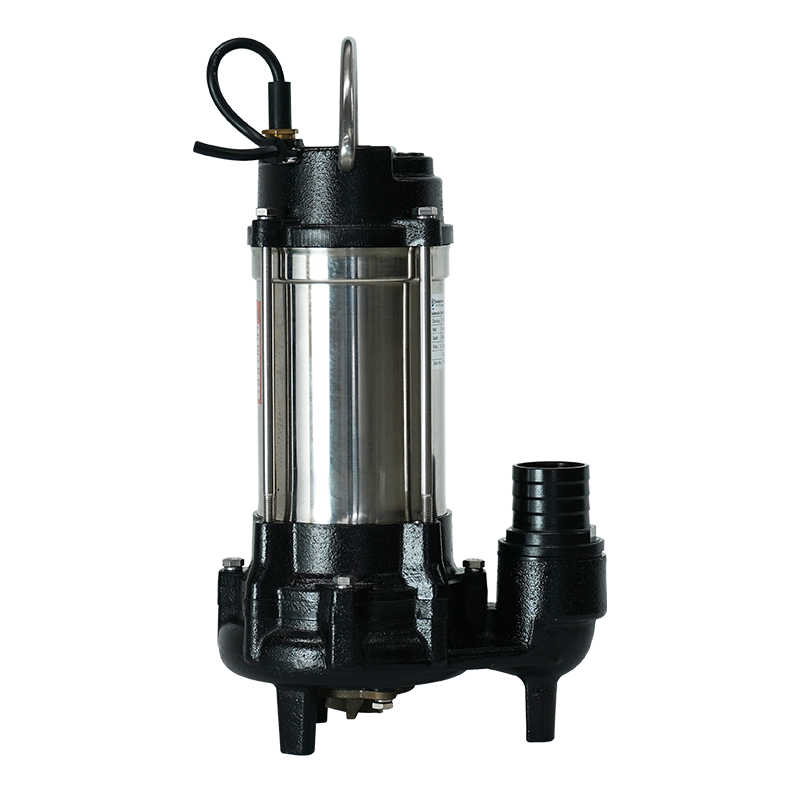
A submersible cutter pump designed for wastewater containing certain types of debris. Its cutting mechanism helps reduce the risk of clogging. However, the type and size of solids or debris must be checked to ensure they are within the pump’s specified handling capacity.
Suitable for: Wastewater Containing Debris / Applications Requiring a Cutter-Type Impeller
Choosing the right submersible pump involves more than just considering the type of water. It is important to evaluate the type and size of solids or debris present, required flow rate (Flow), total head (Head), and installation conditions. The TPE team is ready to provide expert consultation and recommend suitable WALRUS, DAYUAN, and GSD submersible pumps for a wide range of applications, including domestic use, water drainage, and industrial wastewater treatment systems.
Examples of Submersible Pump Selection Based on Different Applications
General Clean Water Pumping Applications → WALRUS PW Series / DAYUAN LA Series
Wastewater or Turbid Water Pumping Applications → DAYUAN LS Series
Wastewater Pumping Applications Involving Sediment → DAYUAN LQS Series
Wastewater Pumping Applications Involving Certain Types of Debris → DAYUAN LCT Series
Industrial Wastewater Treatment Applications → GSD CP Series
However, before selecting a pump for actual use, it is important to check the type and size of solids or debris that each model can handle, as well as the required flow rate and total head.
When choosing between a clean water submersible pump and a wastewater submersible pump, start by assessing the type of water and the impurities or debris present.
For clean water or water containing minimal impurities, a clean water submersible pump is generally suitable. However, if the water contains sediment, solids, or debris, choose a wastewater submersible pump with an appropriate impeller design and solids passage size to match the specific application requirements.
In addition, it is important to check the required flow rate (Flow), total head (Head), maximum solids-handling size, and installation conditions before making a final decision.
The TPE team is ready to provide expert consultation and help you select the most suitable WALRUS, DAYUAN, or GSD submersible pump based on your specific application and actual operating conditions.
Key Factors to Consider Before Choosing a Clean Water or Wastewater Submersible Pump
A submersible pump should not be selected based solely on wattage or maximum flow rate. Instead, consider the type of water, size of solids or debris, required flow rate, total head, and piping system together. It is also important to check the specifications and operating limitations of each pump model to ensure it is suitable for the intended application and actual operating conditions.
Clean water submersible pumps are designed to pump water without large solid particles or debris, while wastewater submersible pumps are designed to handle water containing sediment or solids within each model’s specified handling capacity. The main differences include impeller design, solids passage size, and suitable applications. Therefore, it is important to select the appropriate pump type based on the actual water conditions.
A clean water submersible pump can be used to drain standing floodwater that is relatively clean or contains impurities within the pump’s specified handling capacity. However, if the water contains significant amounts of mud, sediment, debris, or solid particles, a suitable wastewater submersible pump should be considered instead to help reduce the risk of clogging and pump damage.
A submersible wastewater pump designed to handle water containing sediment or solids, such as the DAYUAN LQS Series, should be considered. It is important to check the type and maximum size of solids or debris that each pump model can handle. If the water contains significant amounts of sand or abrasive particles, the suitability of the pump materials and impeller design should also be carefully evaluated to help reduce the risk of excessive wear.
Not necessarily. It depends on the type, size, and characteristics of the debris or fibrous materials present. If the water contains materials that may cause clogging, a submersible cutter pump, such as the DAYUAN LCT Series, may be considered. However, it is important to check the specific limitations and solids-handling capabilities of each model, as cutter pumps are not designed to handle every type of debris or solid material.
A submersible pump should not be selected based on motor wattage alone, as motor power does not indicate whether the pump is suitable for the water conditions and piping system. Instead, consider the required flow rate, total head, pump performance curve (Pump Curve), water type, size of solids or debris, and installation conditions together. The TPE team is ready to provide expert consultation and recommend the most suitable pump based on your actual site conditions and application requirements.
Choose the right clean water or wastewater submersible pump for your application by simply providing details about the water conditions, types of solids or debris present, required flow rate (Flow), and total head (Head). The TPE team is ready to provide expert consultation and recommend the most suitable WALRUS, DAYUAN, or GSD submersible pump to meet your specific application requirements.